Food Cost Percentage Best Practices for Independent Restaurants
Managing your food cost percentage is critical to running a profitable independent restaurant. It helps ensure that your food expenses align well with your sales revenue, allowing you to maintain healthy profit margins. This guide covers essential best practices for understanding, calculating, and controlling your food cost percentage effectively.
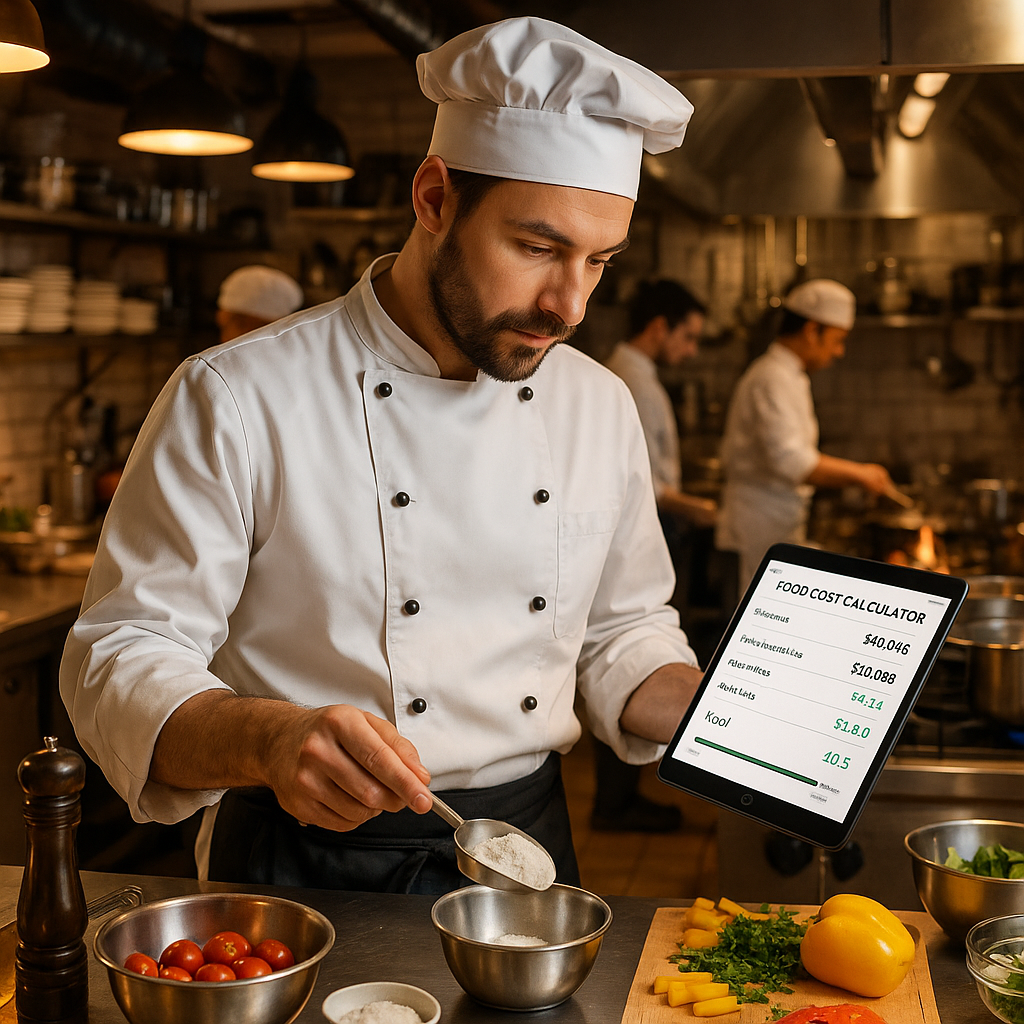
What is Food Cost Percentage and Why It Matters?
Food cost percentage is the ratio of the total cost of ingredients used to prepare menu items compared to your food sales. It’s a key metric that guides pricing, purchasing, and menu planning decisions. A typical target food cost percentage for independent restaurants is between 25% and 35%, but this can vary depending on cuisine, location, and concept.
Calculating Food Cost Percentage: The Formula
The basic formula for food cost percentage is:
Food Cost Percentage = (Cost of Food Sold ÷ Total Food Sales) × 100
Where:
– Cost of Food Sold is your beginning inventory plus purchases minus ending inventory during a set period.
– Total Food Sales is the revenue from food items only.
Example Calculation
If your cost of food sold for a month is $12,000 and your total food sales are $40,000, your food cost percentage would be:
(12,000 ÷ 40,000) × 100 = 30%
This is within the typical range, indicating balanced cost control.
Best Practices to Manage Food Cost Percentage
- Use Accurate Recipe Costing: Build detailed recipes with up-to-date ingredient prices using our Recipe Cost Calculator. This ensures each dish’s cost is correctly calculated.
- Monitor Inventory Regularly: Frequent inventory checks prevent waste and theft, leaving you with accurate cost of goods sold data.
- Adjust Menu Pricing Accordingly: Use the Menu Price Calculator to price dishes based on food costs and desired profit margins.
- Control Portion Sizes: Standardized portions reduce variability and overspending on ingredients.
- Train Your Team: Educate kitchen and serving staff on the importance of food cost management to reduce over-portioning and waste.
- Use Technology Tools: Leverage calculators like our Food Cost Calculator and Restaurant Prime Cost Calculator for comprehensive cost tracking.
Common Mistakes to Avoid
- Not updating ingredient prices leading to inaccurate recipe costs.
- Ignoring waste and spoilage in calculations.
- Mixing beverage or non-food costs into food cost percentage.
- Failing to adjust menu prices when costs increase.
Practical Restaurant Example
Consider an independent Italian restaurant that serves pizzas and pastas. They noticed rising ingredient costs for cheese and tomatoes. By revisiting recipes using the Recipe Cost Calculator, adjusting portion sizes, and updating menu pricing via the Menu Price Calculator, they maintained their food cost percentage around 30% despite the price fluctuations.
Useful Food Profit Tools Resources
- Food Cost Calculator
- Recipe Cost Calculator
- Menu Price Calculator
- Restaurant Prime Cost Calculator
- Restaurant Profit Guides
Frequently Asked Questions
What is a good food cost percentage for independent restaurants?
Typically, 25-35% is the average range, but it varies based on restaurant type and menu.
How often should I calculate food cost percentage?
Monthly is common, but some operators check weekly to be more responsive to price changes.
Can food cost percentage alone determine profitability?
No, it’s important but must be considered alongside labor and other overhead costs.
Planning-Only Disclaimer
This article is intended for informational and planning purposes only. It does not constitute professional tax, legal, accounting, payroll, employment, or financial advice. Independent restaurant owners are encouraged to consult appropriate professionals for such matters.